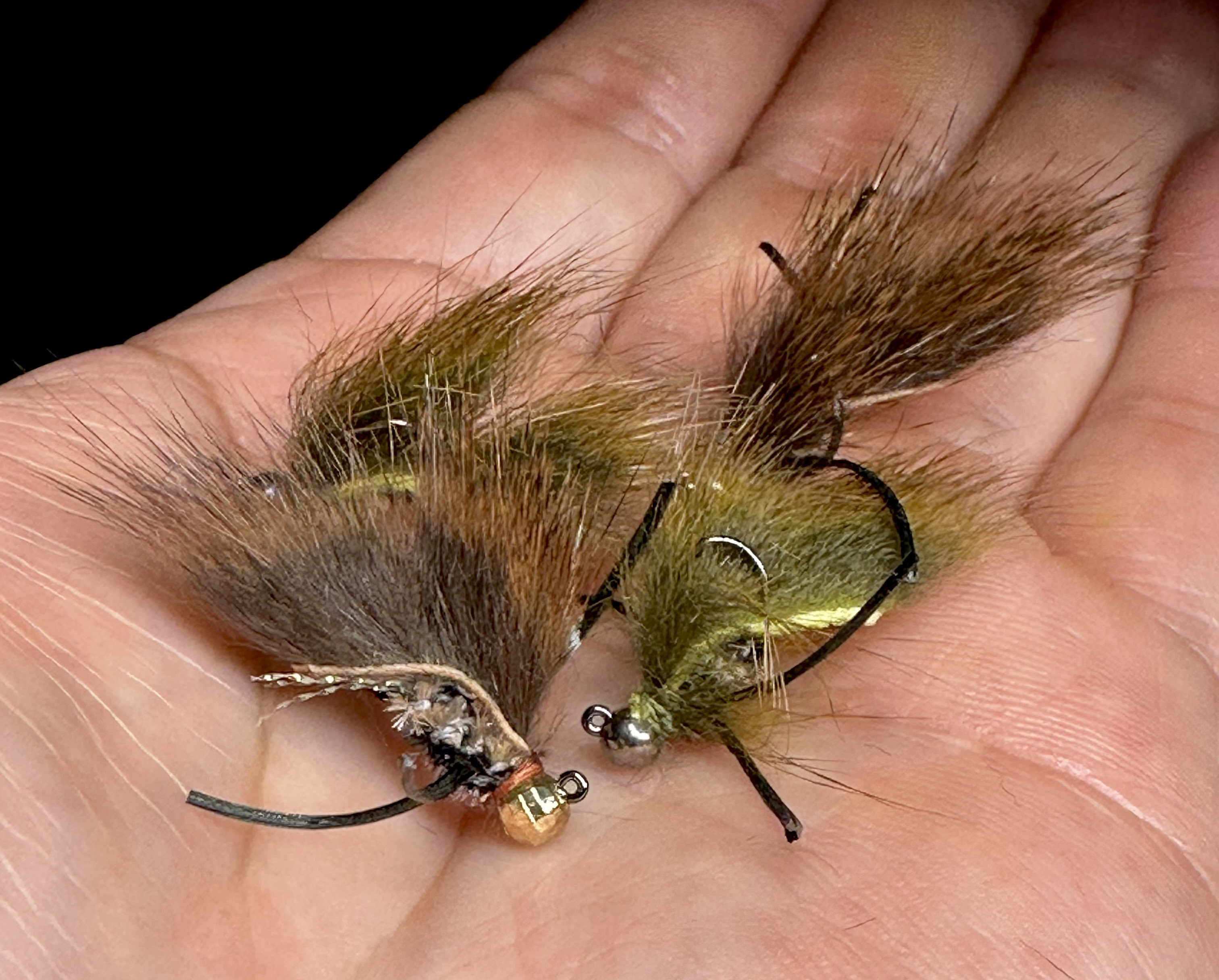
The Mosquito Dry | An Overlooked Summer Fare

By Guest Blogger – Clint Bova

Mosquito larvae exist wherever there is standing water, and their hatch rates are staggering. From May through October, these insects are prolific across most of North America. Like the black fly, mosquitoes are a staple in a trout’s diet, largely due to what I call the “Pounds Per Meat Law”—meaning trout favor food sources that offer the most nutrition for the least energy expended.

With that in mind, the mosquito dry should be a top-tier pattern in every trout angler’s fly box.


This quilled mosquito pattern is one I’ve modified over the years. It can be tied with a standard hackle collar using hen tips or with a CDC stack combined with an Aero Dry Wing underwing.


Below, two quill options are shown. The black is overdyed using Veniard’s, and the other is a bleached, undyed hackle. Both are sourced from inexpensive feather dusters, which run around $7 and provide hundreds of usable quills.


Using a TMC 212Y hook (size 14 shown), tie in both quills side by side. Wrap them up the shank, stopping about three eye lengths behind the eye. Be sure your thread base is smooth and the quills are soaked for at least two hours prior.

Tie in two sets of micro-knotted black pheasant tail fibers on each side for legs.


Add a single strand of Tiemco Aero Dry Wing for the underwing. Trim it short of the bend.

Top the fly with 3 to 4 CDC feathers, extending to the bend. Use Superfine black dubbing for the thorax, keeping wraps minimal—mosquito heads are tiny. This fly should be light and delicate, not bulky.


CB’s Quilled Mosquito Recipe

  • Hook: TMC 212Y, sizes 12–18
  • Thread: Veevus 16/0
  • Body: Two quills—one black (overdyed), one bleached undyed
  • Legs: Micro-knotted pheasant tail, black
  • Underwing: Tiemco Aero Dry Wing (single strand)
  • Wing: Natural or dun CDC
  • Thorax: Superfine black dubbing (minimal)

Final Thoughts

The mosquito is a fantastic fallback during summer when trout are sipping and midges just aren’t cutting it. When other patterns fail to draw strikes, this one often pulls interest. It’s subtle, it’s natural, and it works.

Don’t overlook the mosquito. It might not be flashy, but it’s earned its spot in my box—and it just might deserve a spot in yours too.

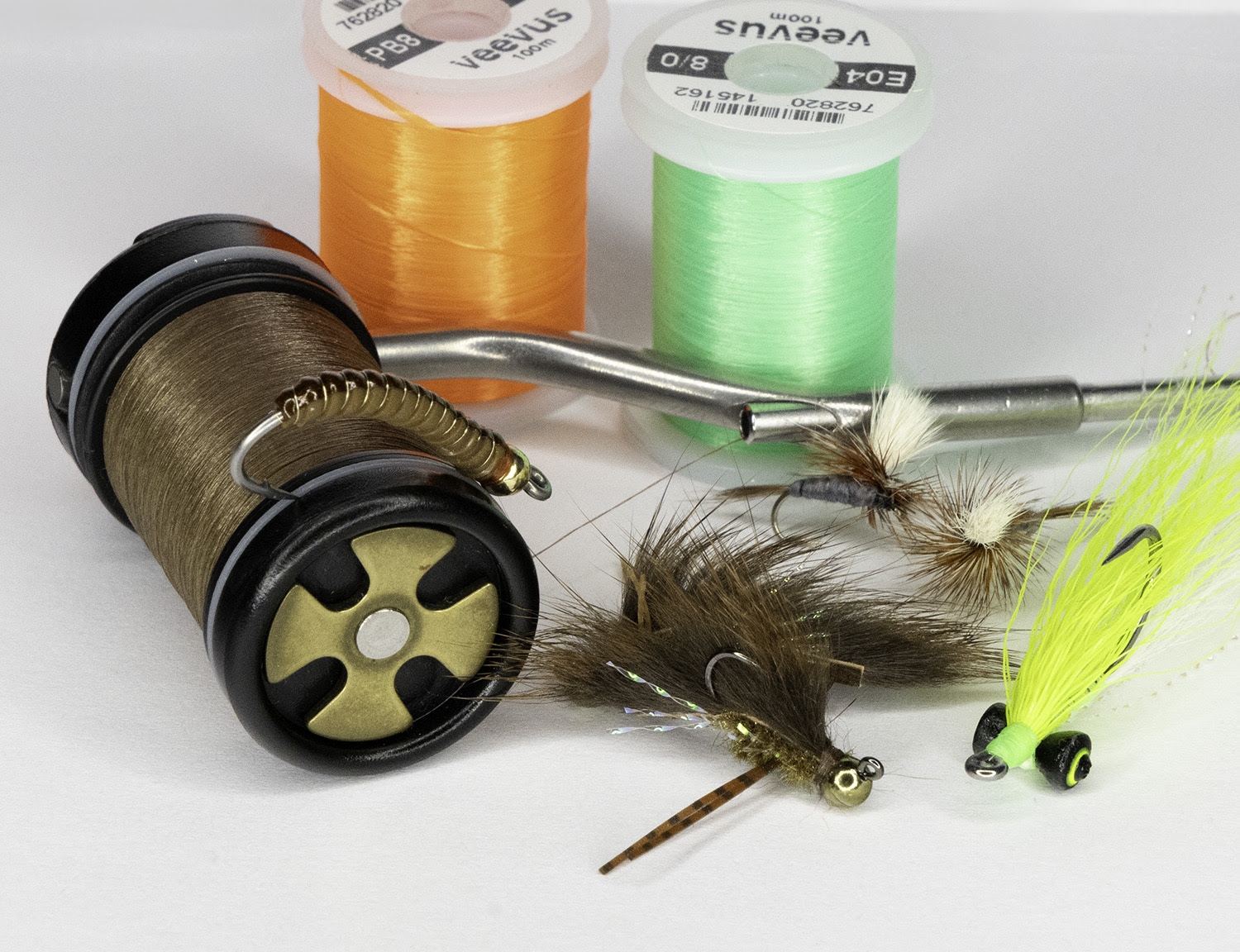
Jig Zirdle Bug

Jig Zirdle Bug The Zirdle is a cross between a Zonker and a Girdle Bug. With the rubber legs and pine squirrel zonker, the pattern has a lot of movement and imitates crayfish, stoneflies, and baitfish. It’s very effective for a variety of fish. Popular colors are brown, burnt orange, olive, and black.
Materials List:Hook: Ahrex FW550 or FW551 sizes 8-14Thread: Veevus 8/0 Brown, Olive or BlackBead: Slotted sized to hookBody: Pine Squirrel zonker strip and stonefly chenilleLegs: Life FlexFlash: UV Pearl, Silver UV Blue Krystal Flash

Thursday April 3rd NBFF fly-tying session

This Thursday (April 3rd) will be our next NBFF fly-tying session.  We will meet from 6-8:00 pm at the Westside Community Center, 2932 South IH-35 Frontage Road in New Braunfels.  This month we will be tying the Sparkle Dun.  It has been reported by Jerry Horton that he caught some trout by switching to a dry fly so this will be a good fly to tie and try.  It can be used alone or can be used as a dry dropper fly combination.
We will begin promptly at 6:00 with short skills “You Tube” video and then a video explaining tying the Sparkle Dun.  The club will supply the needed tying materials.  If you have your own tying tools please bring then, but the club has several sets if you are new and need them.
Hope to see you there,
Gary

NBFF Fly Tying this coming Thursday, 6-8:00pm

Come join our monthly Fly-Tying Session (first Thursday of each month) this coming Thursday (March 6th) from 6-8:00 pm. at the Westside Community Center, 2932 South IH 35 Frontage Road in New Braunfels.  This month we will tying a fly called “The Smoke Jumper”.  It’s a variation of a Zebra Midge which is a good trout fly on the Guadalupe. We will start promptly at 6:00 with a short “You Tube” fly tying skills video and then a video on tying our monthly fly.  If you are new to fly tying, the club has several sets of tying equipment for your use and if you have your own, please bring them.  The club will also supply all the needed tying materials.
Come on out and learn or practice your tying skills and tie some for yourself and also tie some for the club fly raffle held at our monthly NBFF Club Meetings.
Click on the name below and you can view the upcoming session fly.
Hope to see you there,
Gary Nyland